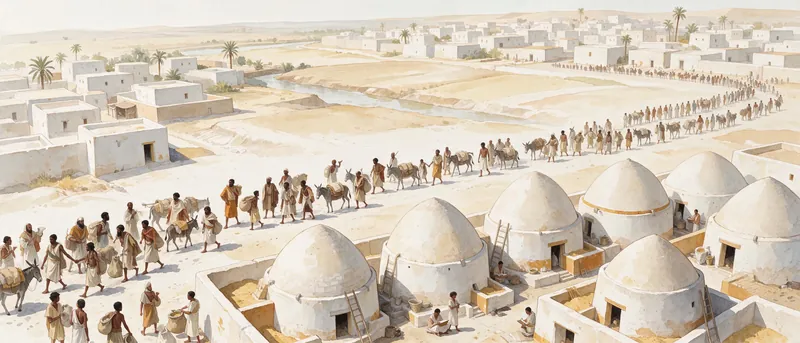
Bible stories that began as sermons, drawn panel by panel.
Two watercolor graphic novels by Vito Marinelli: JOSEPH, from wound to forgiveness, and HOSEA, an unconditional love.
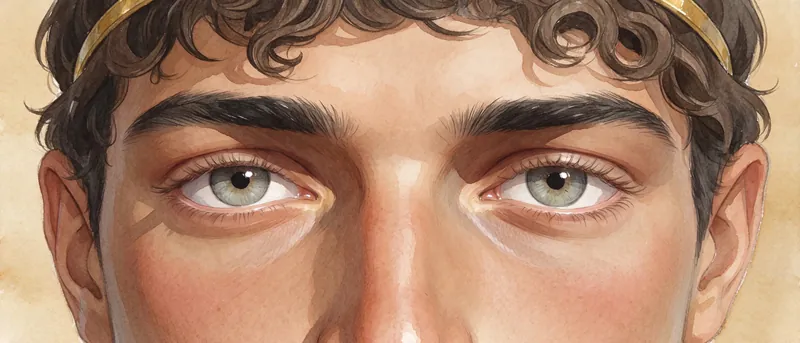
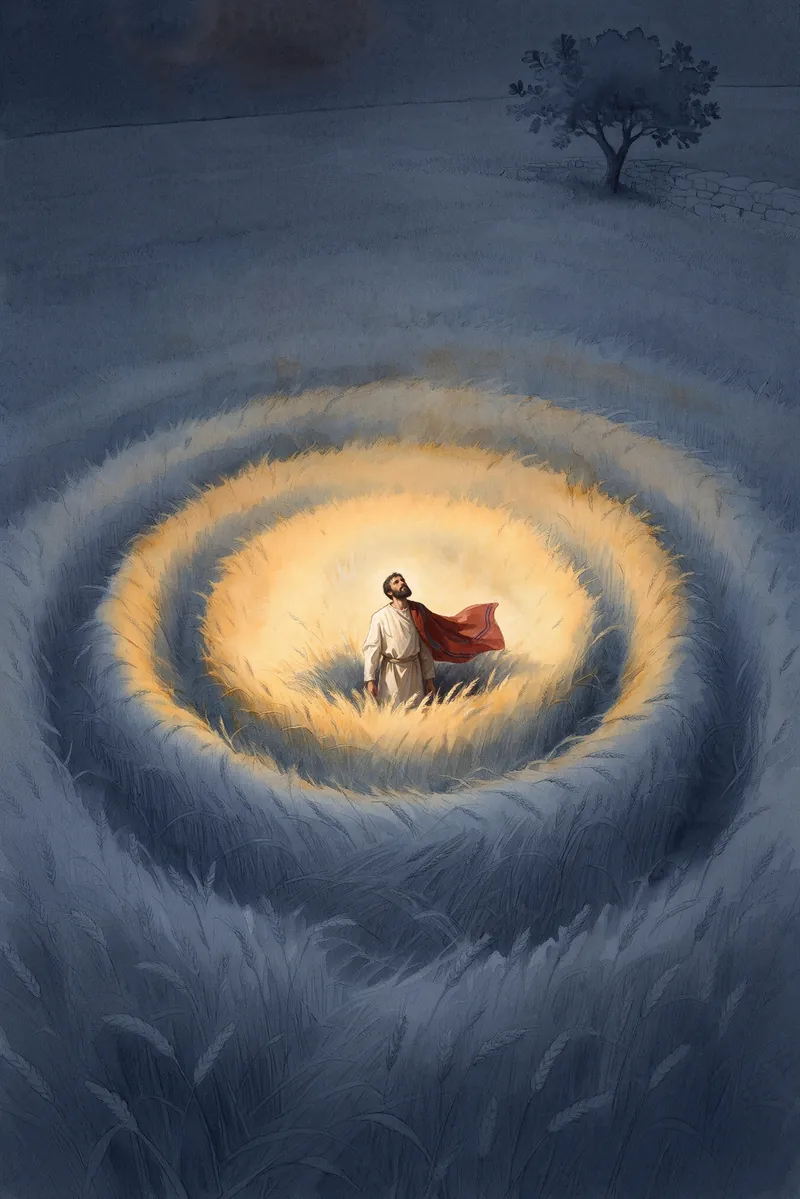
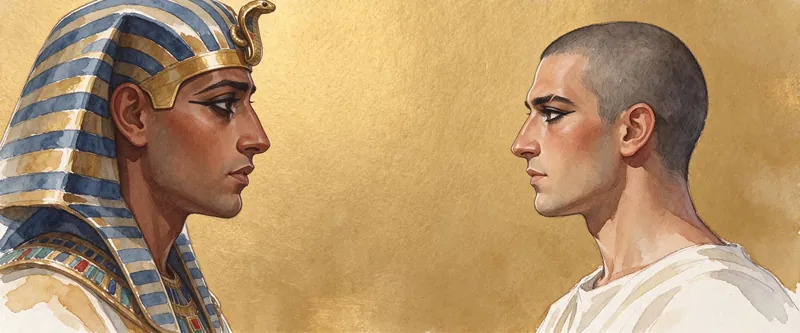
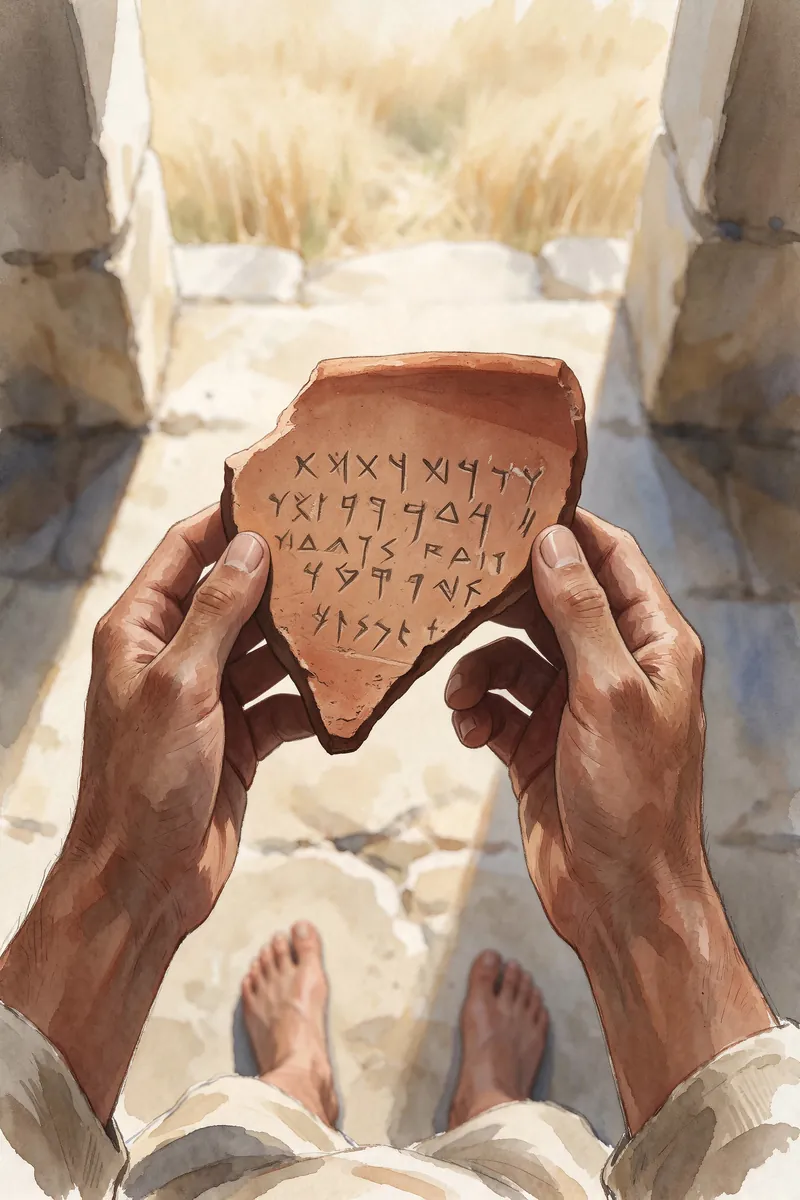
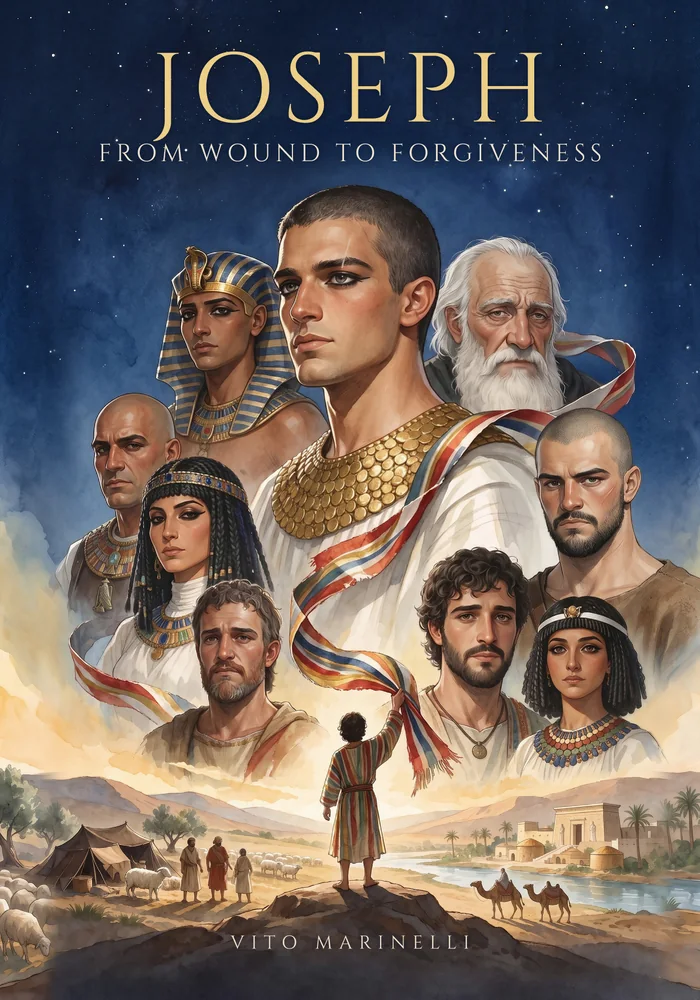
JOSEPHFrom Wound to Forgiveness
Sold by his brothers; a slave, a prisoner, the governor of Egypt. Then one day his brothers come back, and they do not recognize him. From Genesis 37–50.
See the book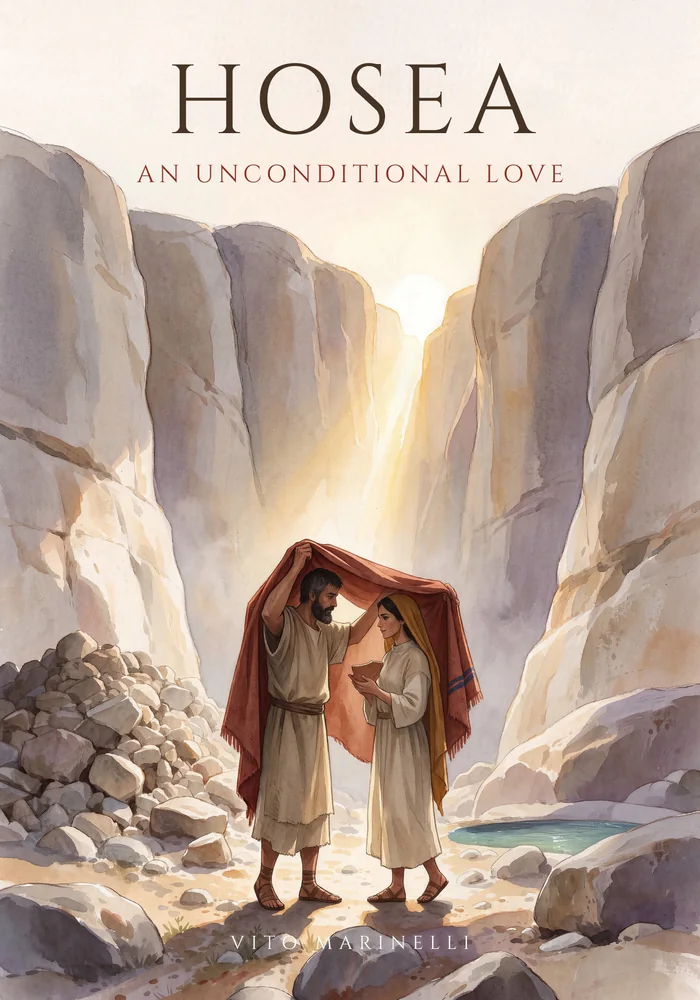
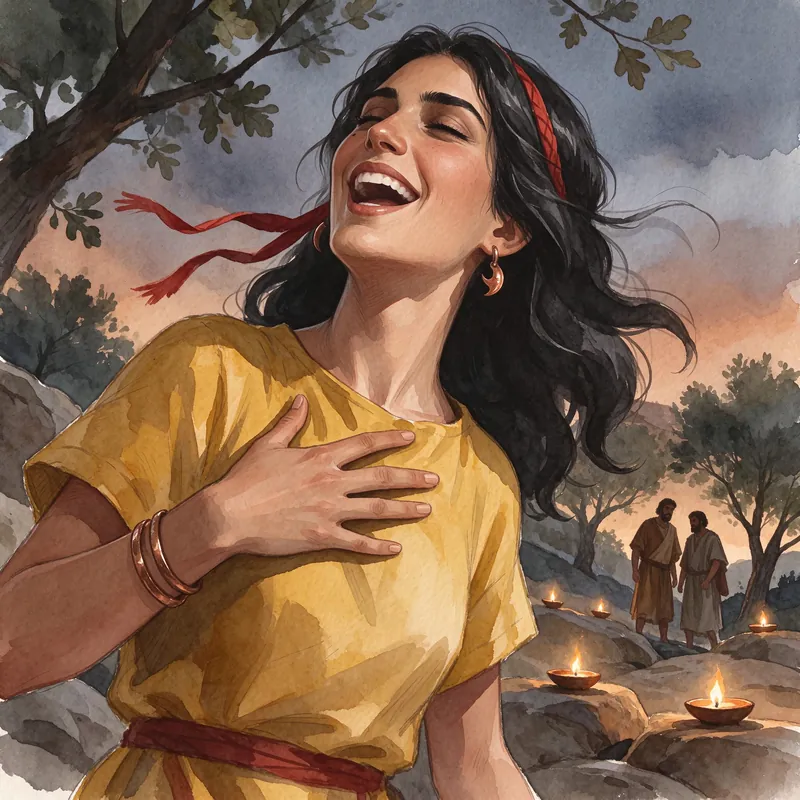
HOSEAAn Unconditional Love
A prophet marries a woman who will leave him, and buys her back at a price he never owed. From the book of the prophet Hosea.
See the bookBefore the drawing, a word spoken out loud
“As for you, you meant evil against me, but God meant it for good.”Genesis 50:20
These books did not begin at a drawing table. They began with a sermon, and with a question asked at home.
Hosea opens with a question put to a congregation: have you ever loved something for no real reason? From there comes the story of the prophet God asked to marry a woman who would not stay faithful, and who paid fifteen shekels of silver and all the barley from his field to get her back. For a woman who was already his wife.
Joseph begins with a father looking for a story of redemption for his two sons, who came into the family through adoption; a story they could recognize themselves in: a boy rejected by the people who should have loved him, who one day finds himself standing on his own feet, able to forgive.
A sermon lasts half an hour and stays in the memory of those who were there. A comic stays on the nightstand, gets passed along, gets read again. Giving those reflections faces, places, and light was a way to bring them to people who were not in the room, and above all to young readers.
From the text to the page, in eight steps
Each book has 120 story pages and more than six hundred panels. None of them came from a single request: every panel went through a script, a sketch, a review, and a final version. The images are created with generative artificial intelligence tools, directed panel by panel; the story, the direction, and the choices are the author’s.
The script
Written page by page, as for a hand-drawn comic: the idea of the page, the grid, the direction of every panel, the dialogue.
The character bible
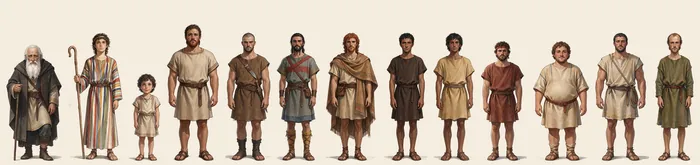
A model sheet for every face, at every age in the story. On the page, the face always comes from the sheet and is never reinvented.
The storyboard
All 140 pages laid out at book size with empty panels: you can see the rhythm before there are any images.
The sketches
Every panel gets a sketch, with the direction written in numbers: where the camera is, who stands on the left, how tall one figure is against another.
The review
Poses, proportions, hands counted, eyelines, light. What is wrong in the composition is redone in the sketch, not patched later.
The final art
The final watercolor follows the approved composition and takes the face from the model sheet. Small flaws are corrected area by area.
The lettering
Balloons and captions placed on a coordinate grid, with line breaks set by hand: never over a face, never over a hand.
The print
Proofreading, corrections, upscaling for print, and layout: 140 pages in color, 6.1 × 8.7 in.
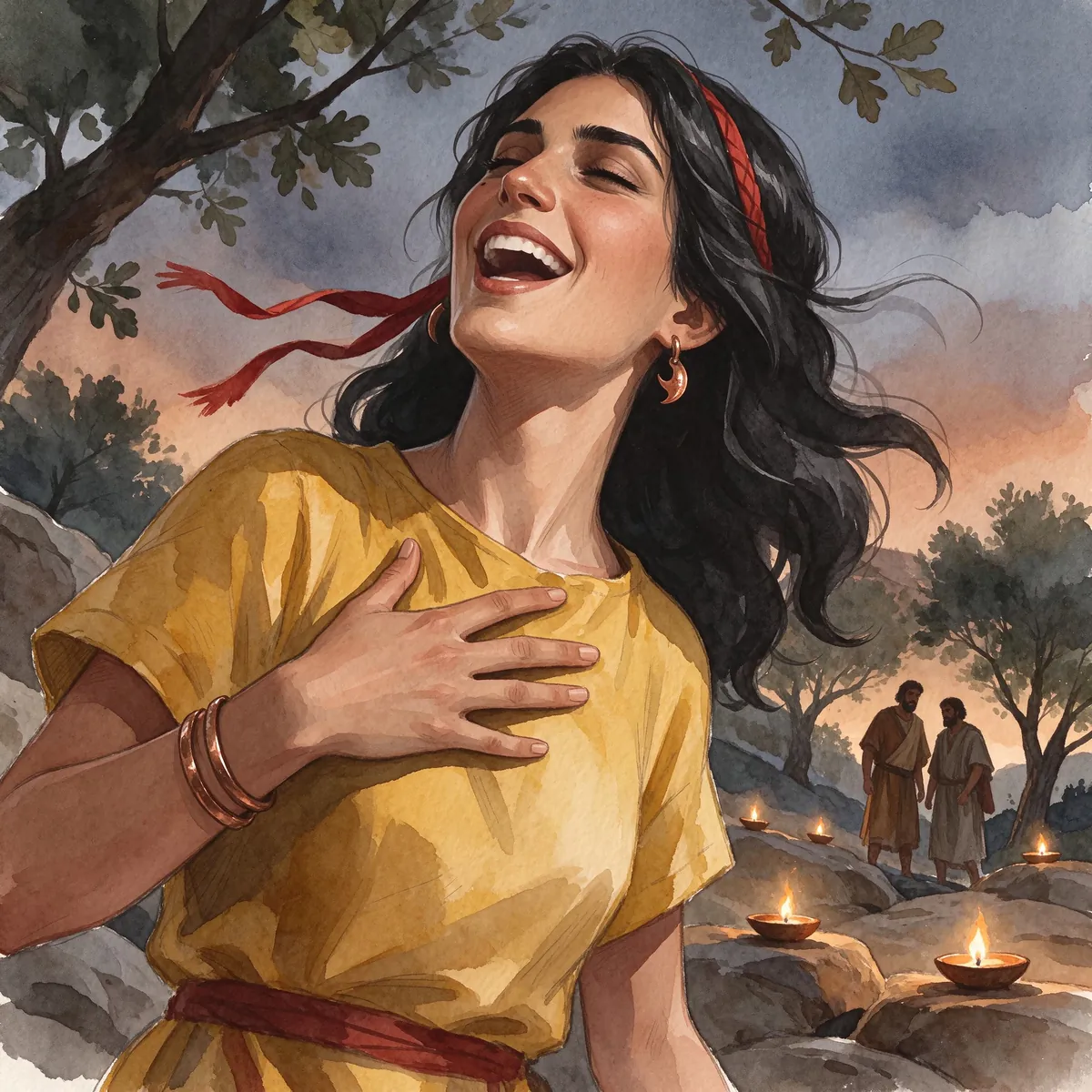
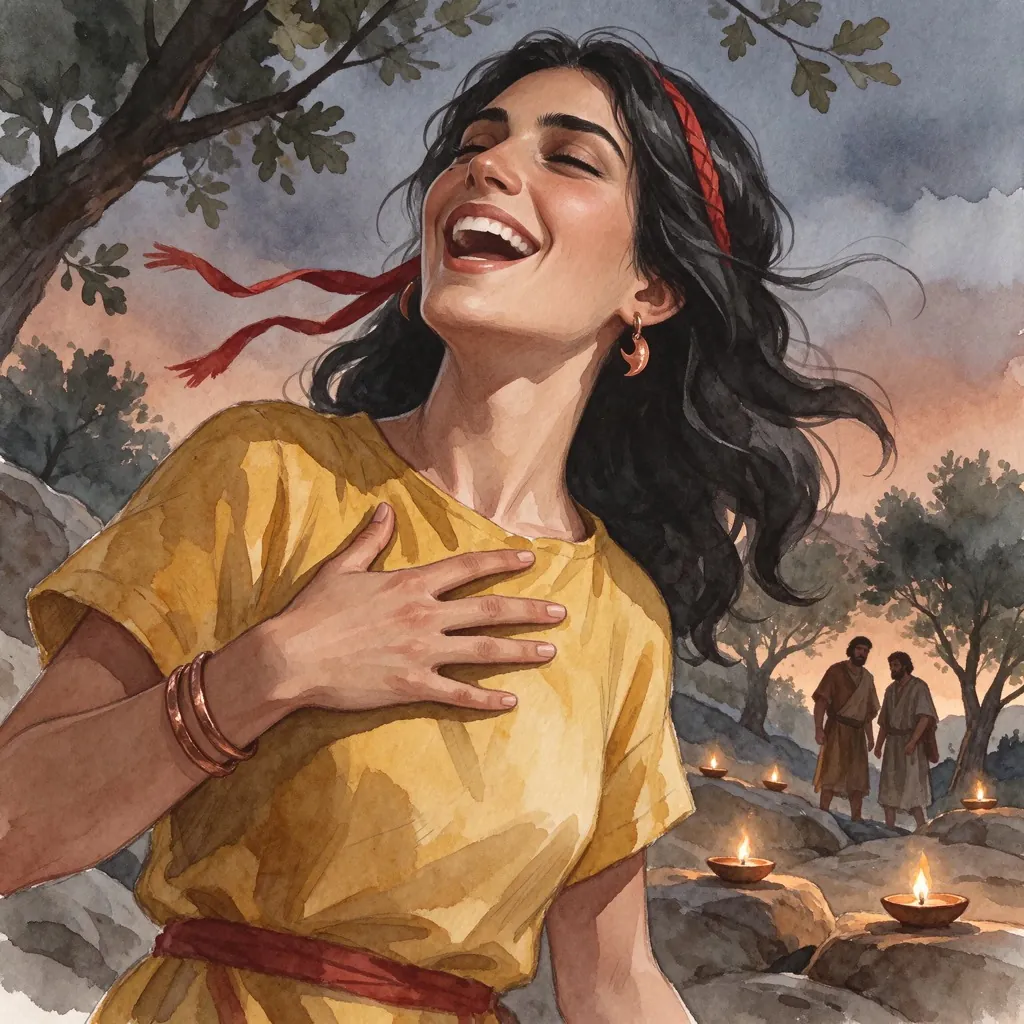 SketchFinal art
The sketch decides, the final art paints
Drag the slider. On the left, the approved sketch of a panel from Hosea; on the right, the final art. Pose, framing, and light are the same: what changes between the two is the face, taken from Gomer’s model sheet, the painting, and the details.
The study behind the images
Before a single page was drawn, there was a decision to make about how these stories should look. Not like a children’s picture book, even though the pages are meant for readers twelve and up: like a serious graphic novel, with bodies that have weight and faces that are real.
Watercolor, almost without outlines
Forms are built from washes and shifts of color. Where a line is needed it is a fine, broken thread in the color of the area around it; never black. The palette is earthy, with a single cool color. The white of the paper is the light.
- Ocher
- Umber
- Warm gray
- Olive
- Madder red
- Indigo
- Feast, wedding, the happy homefull golden light, long soft shadows
- The high places of Baal, the leavinglow, cold, dusty light; drained colors
- The slave marketflat gray, overcast sky, no cast shadows
- The ransom, the homecomingthe first light of dawn, warm on the faces only
The light tells the story
A single source of light in every scene: a doorway, an oil lamp, the hour of the day. And a code that holds for the whole book. In Hosea:
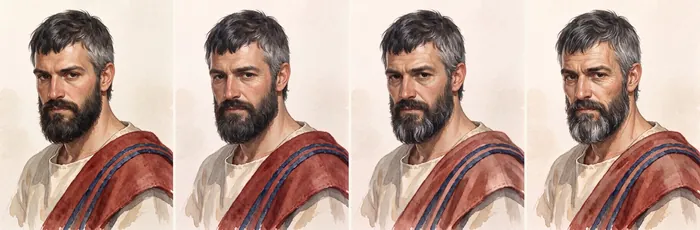
Every face looks its age
In Joseph the main character goes through six stages, from the boy in the striped robe to the governor of Egypt, and the ten brothers come back twenty years older. In Hosea, Gomer’s seven stages tell the story even without words. Every face was checked to make sure it looks its age, and never older.

Direction is written in numbers
Words like “big,” “close,” and “in the background” are not enough. For every panel the script says:
- The cameraits height and distance: from below, from above, through someone’s eyes.
- The positionswho is on the left, in the center, and on the right, in thirds of the frame.
- The scalehow tall each figure is, measured against the one beside it.
- The eyelineswhere each person is looking. Nobody poses for the reader.
- The handswhat each hand is doing, and in what tone: a caress is not a grip.
- The airwhere room is left for the balloons, painted as part of the scene.
The author
Vito Marinelli is an art director and graphic designer. He lives in Bari, Italy, and has been designing for thirty years: he started in 1996 as a web designer and has worked in Valdagno, Thiene, Milan, and Budapest. Since 2007 he has been the art director of E-ONE in Milan.
He has worked with Frontiers Italia, YWAM (Youth With A Mission), the Pieno Vangelo (Full Gospel) church, and ARCADEMY – Teen Challenge Italia.
A husband and the father of two boys, an avid photographer and traveler, he has never stopped creating and drawing.